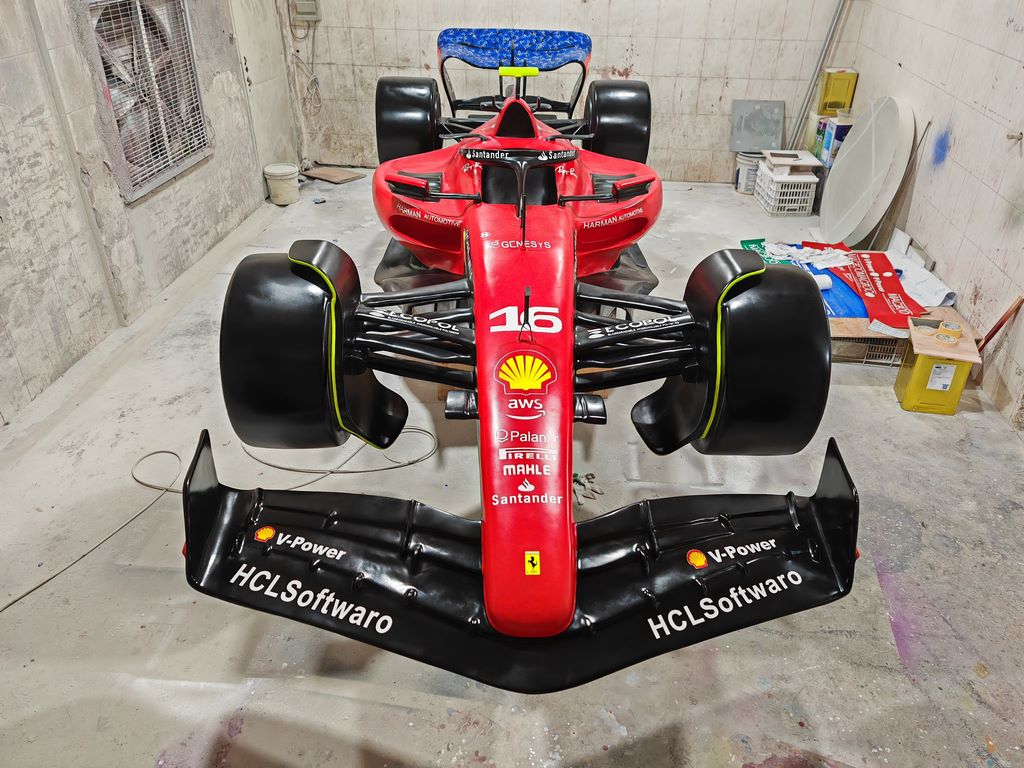
Racing model making factory
From Zero to Precision: Creating 90% Restoration Racing Models
1、 Material selection: Balancing lightweight and structural strength
The first step in making a racing car model is to choose suitable materials that are both lightweight and structurally stable. The body body adopts high-density foam board, which is easy to cut and shape; The wheels are made of resin rims paired with rubber tires, which not only restore the texture of a real racing car, but also can withstand a certain amount of weight. Aerodynamic components such as front wings and diffusers use ABS plastic sheets, which have good toughness and can accurately shape complex surfaces. Small parts such as rearview mirrors and exhaust pipes are manually bent with copper wire or aluminum sheets to enhance the realism of details.

2、 Production process: gradual shaping from skeleton to details
Body frame construction
First, use foam board to cut out the rough outline of the car, and then use light battens to strengthen the internal structure to ensure the overall stability.
Key parts (such as the cockpit and engine hood) are heated and shaped with a hot-air gun to make the foam plate more suitable for the streamlined design of real racing cars.
Manufacturing of aerodynamic components
The front and rear wings are the key points. First, cut the basic shape with ABS plastic board, and then finely polish the edges with an electric soldering iron or sandpaper to ensure a consistent aerodynamic shape with the actual car.
The diffuser part adopts a layered adhesive method, stacking plastic sheets layer by layer to simulate the multi-layer structure of a real racing car.
Wheels and suspension system
Resin wheels need to be drilled with micro drills to simulate the hollow design of real wheels.
The suspension system is bent with spring steel wire, restoring the push rod suspension structure of F1 racing cars, and debugged to a movable state.

3、 Post processing: the ultimate polishing of color and detail
Primer and main color spraying
First, cover the body with gray primer to fill the tiny air holes in the foam panel.
When spraying the main color, use masking method: stick the sponsor logo or stripe boundary with masking paper to ensure clear color separation.
Detail restoration
Sponsor stickers: Use water stickers or hand drawn to ensure that the font ratio is consistent with the original car.
Carbon fiber texture: Use mesh cloth and matte black paint to simulate the carbon fiber texture on the chassis and other parts.
Aging effect: Use dry sweeping method to lightly sweep silver paint on the exhaust port and tire edge, simulating wear marks.
Final protective layer
Spray matte or semi gloss varnish to unify the overall texture and avoid excessive plastic feel.

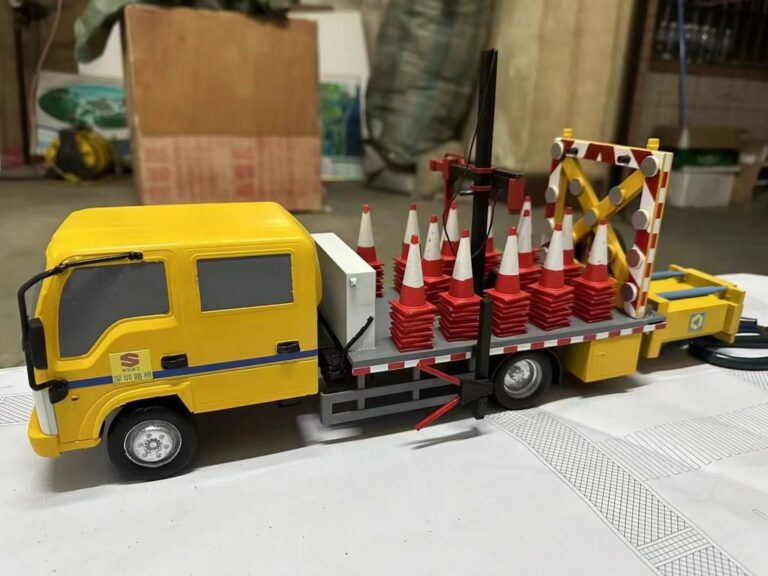
Very beautiful